



Kikaradi Ceramic Vase
The replica of the Cycladic ceramic vase is a modern representation of ceramic art from the ancient Greek Cycladic civilization. The Cycladic civilization (around 3200 BC to 2000 BC) meticulously crafted its exquisite marble carvings through modern craftsmanship, aiming to preserve the aesthetic features and craftsmanship of the original works, allowing the public to appreciate these ancient artworks up close. These replicas are not only loved by art enthusiasts as decorations and collectibles, but also used for education and exhibitions to help people understand and learn about the artistic achievements of the Cycladic civilization.

Tang colored ceramic vase
Tang colored ceramic vases are a common decoration and artwork made of ceramic materials, which are fired at high temperatures from clay and have a hard, durable, and usually glossy surface. The history of ceramic vases is long, and their origins can be traced back to ancient civilizations such as China, Egypt, and Greece. There are various types of ceramic vases, with different shapes and sizes, ranging from simple cylindrical shapes to complex sculptural forms, with rich colors and patterns. They can be monochrome or multi-color, with surface decorations including hand drawn patterns, stickers, or underglaze colors

Antique Chinese Vase
Chinese vases are outstanding representatives of traditional Chinese craftsmanship, usually made of materials such as ceramics, jade, lacquerware, or metal, with a long history and profound cultural heritage. These vases are not only elegant and exquisite in shape, but also highly distinctive in decorative arts, often depicting patterns such as mountains, waters, flowers, birds, and figures, reflecting the aesthetic taste and painting skills of ancient China. The production skills of antique Chinese vases are exquisite, especially the porcelain of the Ming and Qing dynasties, such as Jingdezhen's blue and white porcelain, pink porcelain, etc., which are famous for their delicate painting, rich colors, and unique shapes.

Ancient Greek Terracotta Vase
The terracotta vases of ancient Greece are outstanding representatives of ancient art and craftsmanship. These vases are usually made of red clay, a type of clay that has been fired at high temperatures and has a hard and durable texture. The ancient Greeks used these vases to store liquids such as wine, olive oil, and water, as well as for religious ceremonies and as burial objects. The ancient Greek terracotta vase not only played an important role in practicality, but also an important component of Greek culture and social life. They reflect the aesthetic concepts, religious beliefs, and social customs of ancient Greeks, and are valuable materials for studying ancient Greek civilization.
Anfula vase
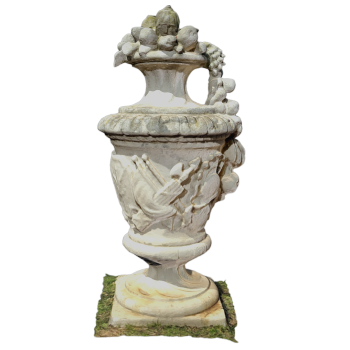
Originating from the pottery containers of ancient Greece and Rome, they are renowned for their unique double ear design and are commonly used for storing and transporting liquids. In Barcelona, the design of this ancient container is reinterpreted by modern artists and designers, creating decorations that have both classical charm and modern aesthetics. The Anfula vase in Barcelona blends the city's rich historical and cultural heritage with modern art styles. These vases are not only displayed as artworks, but also commonly used to decorate spaces, adding beauty and cultural atmosphere to the interior.

A beautiful blue vase
Gold inlaid art vase

3D design vase

Virtual synthetic vase
Copy Stream Vase
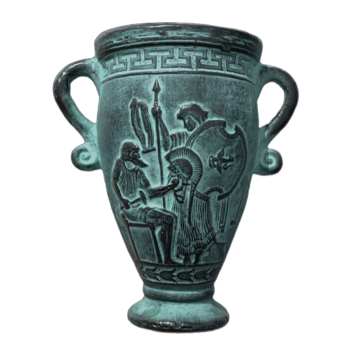
The design inspiration for replicating stream vases usually comes from streams in nature, which may use flowing lines and shapes to simulate the flow of water. Copying stream vases may target a wide range of consumer groups, especially those who like natural style decoration but do not pursue high-value collectibles. Move. The replica stream vase can be made of various materials, such as ceramic, glass, metal, or plastic, depending on the production technology and design requirements The design of such vases may also reflect a concern for environmental protection, reminding people to cherish the natural environment by imitating natural landscapes.

Chinese porcelain vase
Chinese porcelain has a history of thousands of years, with the earliest porcelain dating back to the Shang Dynasty. By the Tang Dynasty, porcelain production technology had become quite mature, and it reached its peak during the Ming and Qing Dynasties. Chinese porcelain vases are usually made of raw materials such as kaolin, quartz, and feldspar, which are fired at high temperatures to achieve a hard texture, smooth glaze, and good transparency. The production process of Chinese porcelain vases includes multiple steps such as drawing, carving, glazing, and painting, each of which requires exquisite skills and strict quality control. The decorative styles of Chinese porcelain vases are diverse, including blue and white porcelain, pink, doucai, underglaze red, etc.

European style blue dress porcelain doll sculpture ornament dress girl

ancient chinese vase

Popular Models
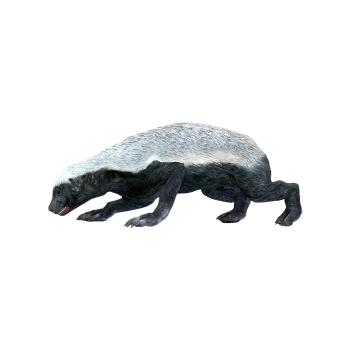
Honey Badger (3D animated model)
192 View

Guinea fowl (3D animated model)
163 View

Wild Goose (3D animated model)
185 View

Red Fox (3D animated model)
153 View
Random Model


Scotland Pink Castle (Craigievar Castle)
1173 View

"Strange Things" intercom
1046 View

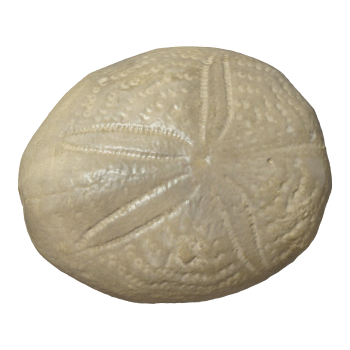
Fossil of hard shell sea urchin
879 View

Upper half skull of coyote
851 View

